Can Peptides Cause Cancer?

Peptides do not share one cancer risk. The meaningful question is whether a specific compound, pathway, exposure and product have evidence of promoting tumors in humans.

Peptides do not share one cancer risk. The meaningful question is whether a specific compound, pathway, exposure and product have evidence of promoting tumors in humans.
Metabolism Explained · Evidence checked October 12, 2026 PT-141, also called bremelanotide, is a peptide medicine that activates melanocortin receptors. Its prescription form, Vyleesi, is approved for a specific low-desire disorder in premenopausal women. Benefits average out to a modest improvement over placebo, and nausea is common. Human studies in men show an erectile response, … Read more

For recurring laboratory procurement, the strongest supplier is not necessarily the cheapest or the one with the largest catalog. This scorecard-led comparison prioritizes documentation, fulfillment, support, and operational continuity.
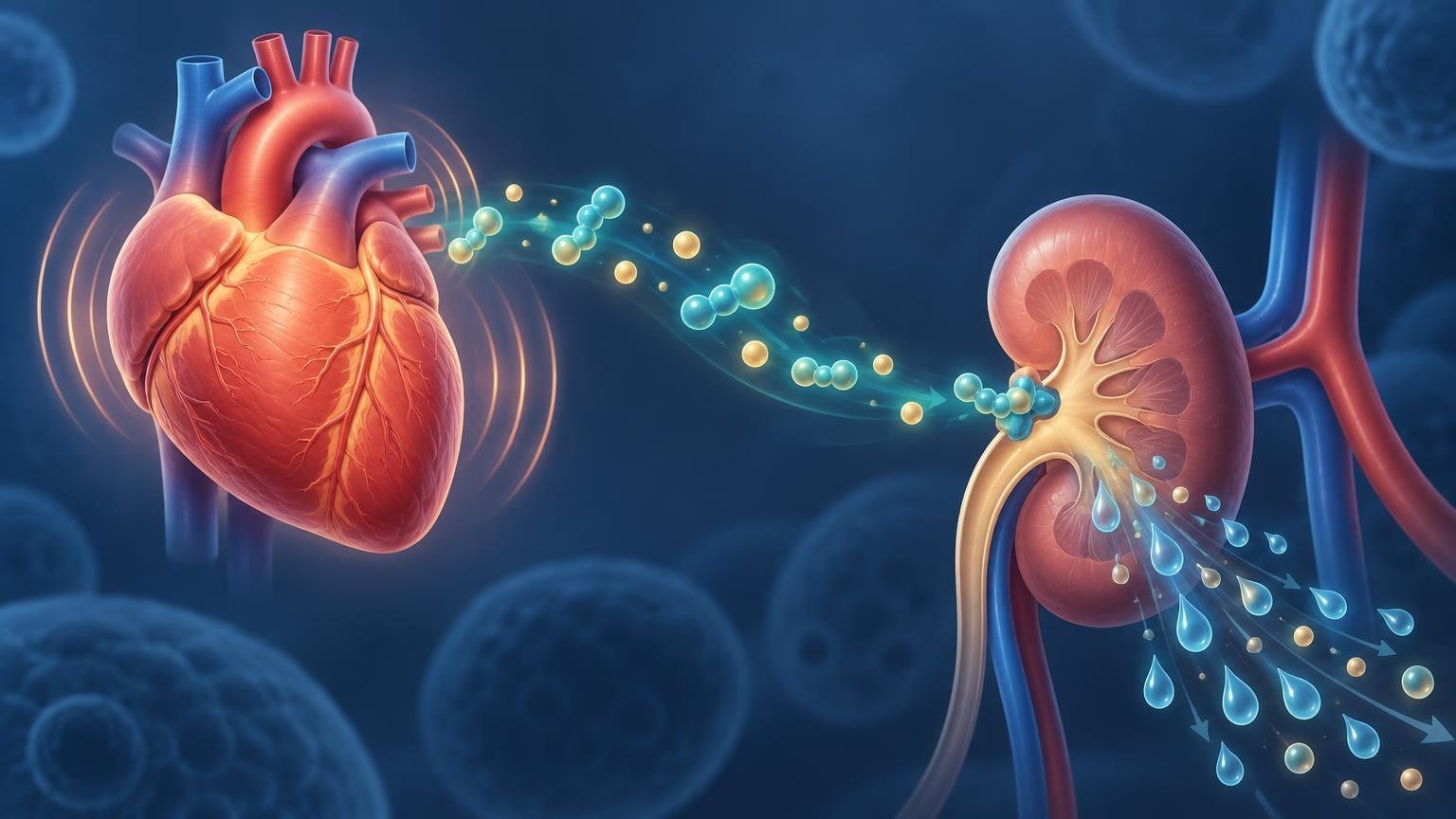
B-type natriuretic peptide, or BNP, is a hormone released mainly by the heart in response to wall stress. It helps regulate blood vessels, sodium, water, and fluid-related signaling, while also serving as a clinical biomarker.

Scale weight shows how much total mass changed. DXA estimates how that change was divided among fat, lean soft tissue, and bone mineral, but it does not directly measure muscle or physical function.

A practical guide to translating weight-loss trial headlines into meaningful evidence by checking the population, comparator, estimand, missing data, safety results, and uncertainty.
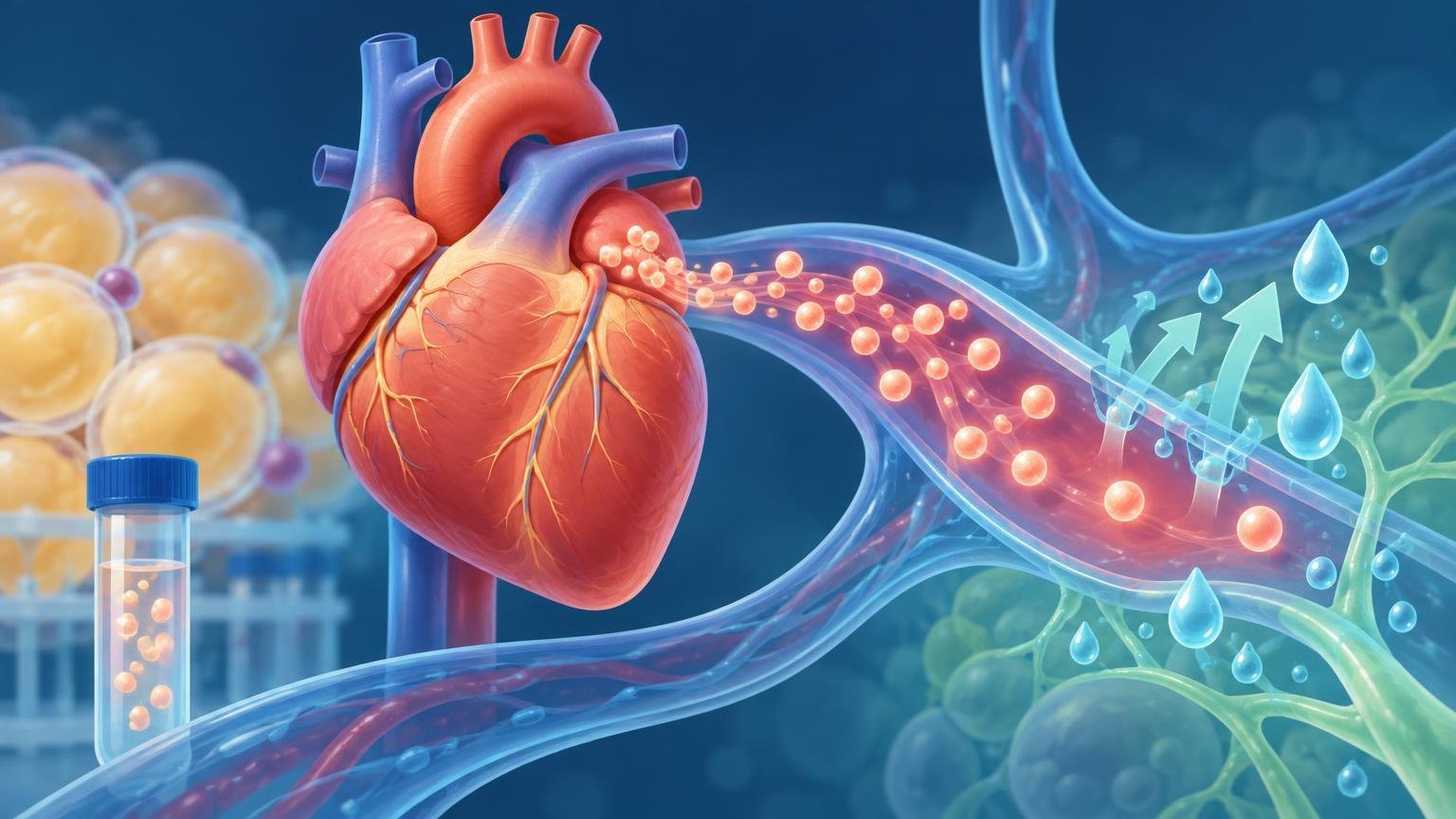
BNP is a heart-derived hormone that helps regulate fluid and blood-vessel function. It is also an important biomarker, but no single result diagnoses heart failure.